ESG and urban logistics: what does the road to carbon neutrality look like?
.jpg)
The urban logistics sector is undergoing significant transformation under the influence of carbon neutrality and ESG expectations. Sustainable operation is not only an environmental and business necessity, but an approach that concerns everyone. In this environment, urban logistics parks play a prominent role: they contribute to environmentally friendly transport, reduce traffic, and apply innovative green technologies. CityOne's model is a good example of how a performance focus and sustainability can be combined in the interest of a more liveable urban future.
The role of carbon neutrality in urban logistics
Carbon neutrality is not only a global goal, but also one of the most important challenges of urban logistics. Road transport – which accounts for around 75% of goods transport in Hungary – contributes significantly to urban carbon emissions. In the logistics sector, therefore, the introduction of green solutions and the creation of intelligent urban logistics systems are urgent.
While some large companies (such as Waberer's or Magyar Posta) already use electric vehicles and solar systems, the sector as a whole is only now beginning to pick up the pace with ESG (Environmental, Social, Governance) and sustainability expectations. Urban logistics parks can play a significant role in reducing the carbon footprint. Through intelligent solutions, for example, a lorry arriving at an urban warehouse can replace as many as 20 vans, which significantly reduces urban traffic load, particulate emissions and noise pollution, while optimising transport.
ESG in practice – why is this important for logistics companies?
The ESG approach is today no longer merely a communication tool, but a business necessity for logistics companies. Investors, clients and regulatory authorities all expect sustainable operation and transparent corporate responsibility. Especially as the EU's relevant directives and sustainability reporting obligations are becoming ever stricter. At the same time, at sector level, ESG-based operation can also represent a competitive advantage for Hungarian logistics companies.
The 3 pillars of the green strategy
In the logistics sector, the practical implementation of the green strategy extends to three main areas:
- Reducing environmental impacts: Through lower emissions and increased energy efficiency, companies can minimise their ecological footprint.
- Social responsibility: Ensuring employee well-being and strengthening community engagement contributes to positive social impacts.
- Responsible corporate governance: Transparent operation and the application of ethical business practices increase trust in and the compliance of the company.
Companies that take ESG considerations seriously not only fulfil their compliance obligations, but also increase their competitiveness in both the short and long term. Lower operating costs, a more attractive employer brand and the attraction of sustainable investments are all factors that are already key on today's logistics market, and are not elements of some distant future.
CityOne's role in carbon-neutral urban logistics
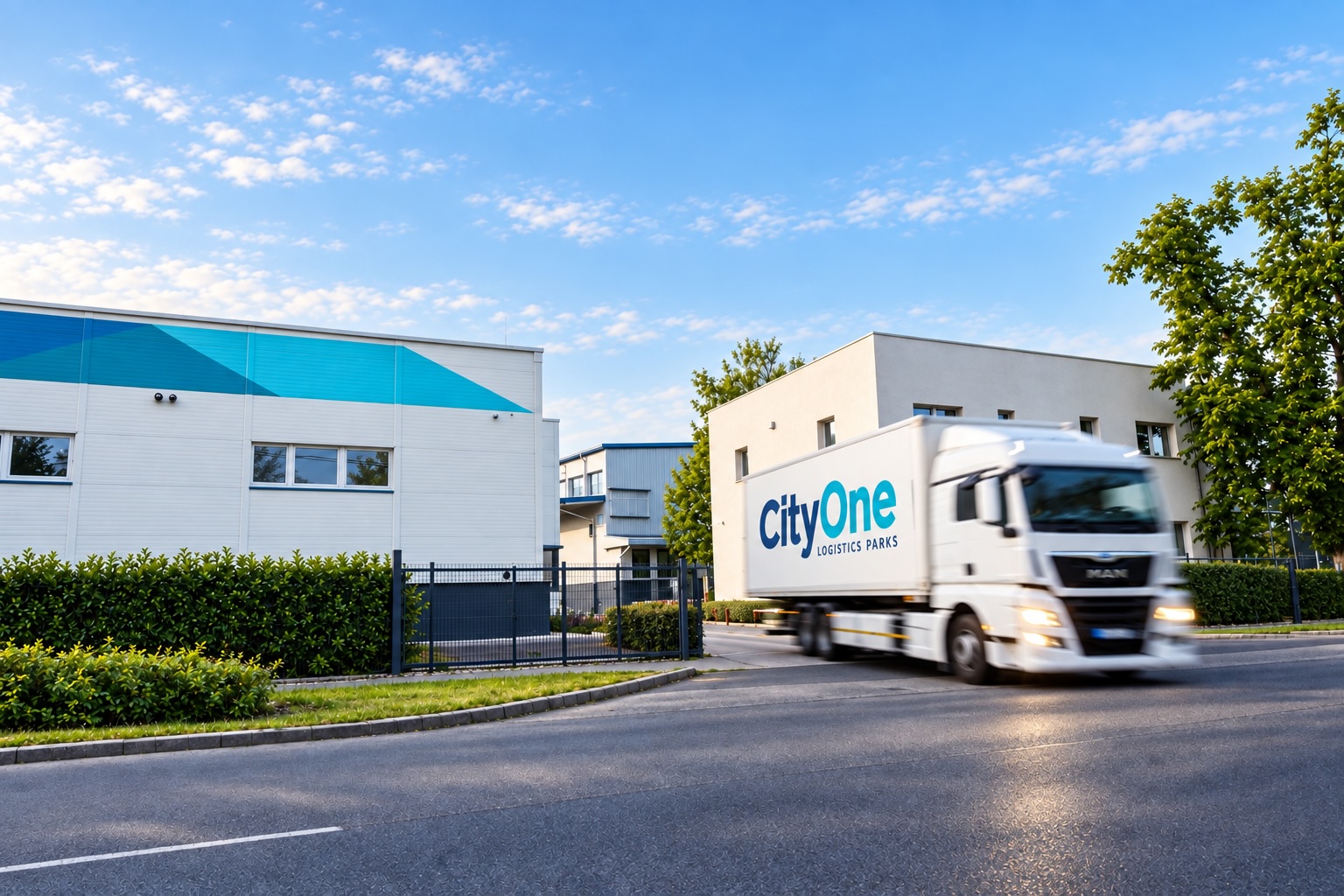
On the road towards carbon neutrality, urban logistics parks have a key role – a role that CityOne consciously takes on. The brand's philosophy is built on the triad of performance, sustainability and a people-centred approach. During the development of the BudafokOne and ÚjbudaOne logistics parks, we apply green technologies such as heat-pump heating and cooling, LED lighting, as well as the creation of intensive green spaces and bee pastures.

Through intelligent logistics solutions, vehicle movement decreases, carbon emissions are reduced, and urban transport can be optimised. During the design of the parks, environmental and social integration is also a key consideration: they are characterised by community spaces, convenience services, excellent public transport and secure infrastructure.
A conscious tenant community and ESG-based operation
“CityOne attracts tenants for whom sustainability and ESG-based operation are of strategic importance alongside competitiveness. This is not only a confirmation for us, but also means building a community that proudly embraces its commitment to greener urban logistics.”– recounted Zoltán Radnóty, managing owner of the CityOne logistics parks.
The environmental challenges of traditional logistics
In the urban environment, logistics systems in the traditional sense are becoming ever less sustainable. Because of the predominance of road transport, traffic load, noise pollution and carbon emissions have reached a critical level. This can be observed not only in the inner districts of Budapest, but slowly in the agglomeration too. The roads are overloaded, the vehicles often travel underused, while this also does not have a good effect on the quality of the city's air.
The „last mile” problem
One of the hardest-to-manage challenges of the logistics sector is the final stage of the goods-transport chain, the so-called „last mile delivery”. Due to the increased demand for home delivery, more and more smaller lorries travel the roads – often in a poorly organised, wasteful manner. This burdens not only the environment, but also represents a serious problem from an economic and transport point of view.
In the interest of sustainable urban development, solutions are needed that are capable of reducing emissions, rationalising transport processes, and integrating into the urban infrastructure. The urban logistics park model offers an accessible alternative for this.
Urban logistics parks as sustainability solutions
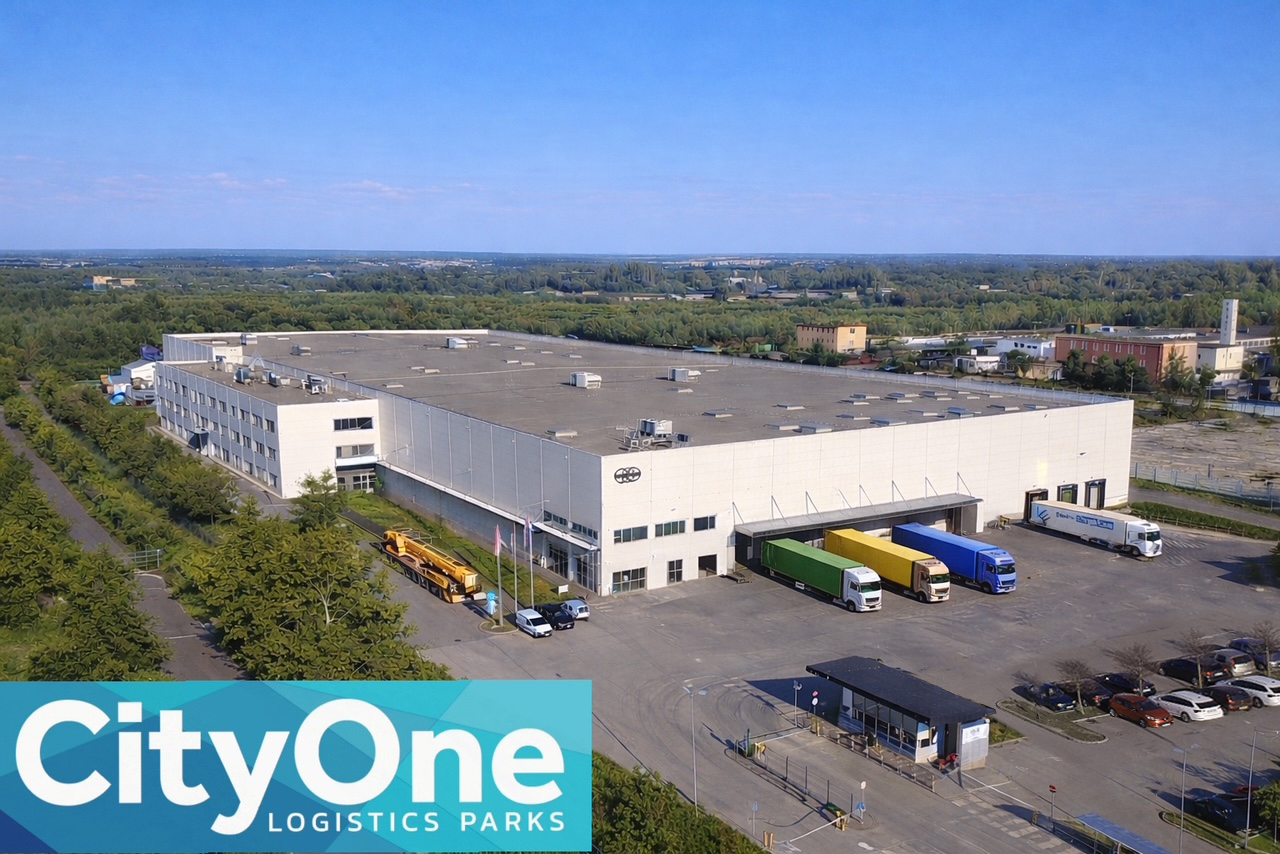
Urban logistics parks are, at the international level too, ever more important players in sustainable urban development. These new-generation solutions have appeared in Hungary as well: the BudafokOne and ÚjbudaOne urban logistics parks specifically await tenants looking for an office and warehouse in one place, in a modern, environmentally conscious environment.
The location of the parks, the energy-efficient buildings and the intelligent logistics infrastructure provide advantages to the companies operating here, while also meeting the strategic expectations built on the ESG approach.
This model is not only an answer to the logistics challenges, but a consciously embraced part of a more liveable, more sustainable urban future.



.jpg)